Kashmir
Kashmir is India’s most iconic mountain destination, where the Himalayas soften into something you can actually live inside. From shikara rides on Dal Lake and the Mughal gardens of Srinagar to the snowy slopes of Gulmarg and the alpine meadows of Pahalgam, Kashmir offers one of the most diverse travel experiences in Asia.
For more than four centuries, travellers have called Kashmir “Paradise on Earth” — a phrase widely attributed to Mughal Emperor Jahangir after he witnessed the valley’s breathtaking beauty. Standing at the edge of Dal Lake at sunrise, with the Zabarwan mountains reflected in still water and a chai-wallah rowing toward you in a wooden boat, it’s difficult to argue with him.
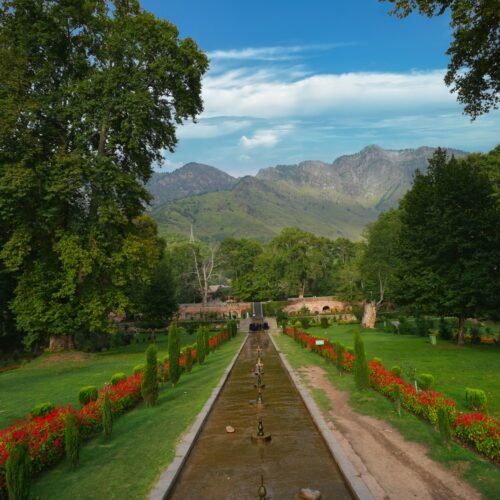
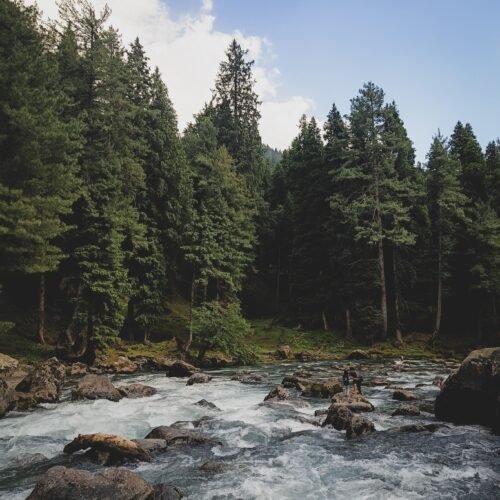
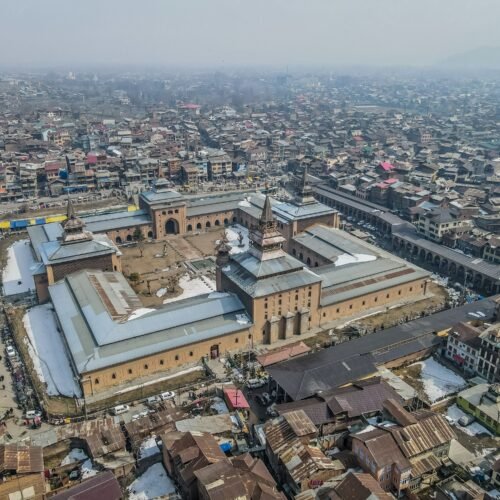
The valley sits at around 1,600 metres in the northwestern Himalayas, and what makes it extraordinary is how much it holds. Explore Srinagar, the valley’s beating heart, where 17th-century Mughal gardens cascade down to the lakeside, centuries-old wooden mosques line the old city lanes, and a houseboat on Dal Lake gives you a morning view that no hotel can replicate. Head to Gulmarg, Kashmir’s premier ski and adventure destination, where one of Asia’s highest gondolas climbs to 3,980 metres and around 5 metres of snowfall draws serious skiers from across the world every winter — and wildflower meadows draw trekkers all summer long. Discover Pahalgam, the valley that opens into pine forests and river trails and high-altitude routes that see almost no one outside trekking season. And venture to Sonamarg, where the road climbs to 2,740 metres, glaciers are reachable by pony, and the mountains stop feeling like a backdrop and start feeling like where you actually are.
The food alone is worth the trip. Wazwan — Kashmir’s ceremonial feast of slow-cooked lamb dishes prepared by a hereditary master chef — is one of the most technically refined culinary traditions in India. The saffron stirred into your Kahwa tea was likely grown just 13 kilometres from Srinagar in Pampore, which produces over 90% of India’s saffron crop. And the Pashmina shawl you’ll be tempted to buy is among the world’s finest natural fibres — a genuine handwoven piece can take a single artisan up to 180 hours to complete.
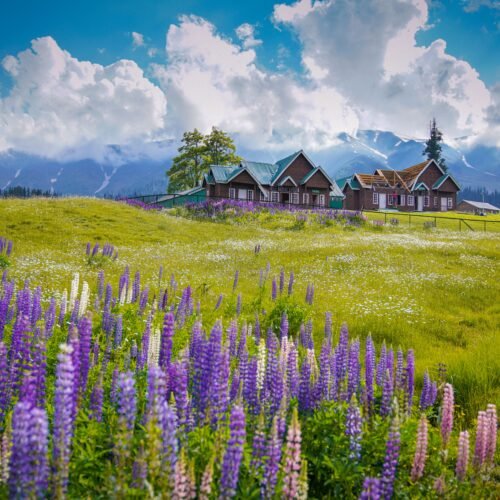
Kashmir works in every season. Spring brings 1.5 million tulips across Asia’s largest tulip garden. Summer opens the trekking routes and keeps the valley cool at 18–28°C while the rest of India swelters. Autumn turns the chinar trees a deep amber-red that photographers plan entire trips around. Winter gives you Gulmarg under fresh powder and Dal Lake wrapped in mist and silence.
Srinagar International Airport connects directly to Delhi in 80 minutes, Mumbai in two and a half hours, and most major Indian cities. No permits are needed for the main tourist areas. Our team is on the ground here year-round — not managing from a distance, actually here.
Whether you’re planning a honeymoon, a family holiday, or a tailor-made luxury escape, our local travel specialists will help you experience Kashmir at its very best.
Frequently asked questions about Kashmir
When is the best time to visit Kashmir?
It depends what you’re here for. Spring (March–May) is best for the Tulip Garden and blooming Mughal gardens. Summer (June–August) is ideal for trekking and family holidays when the valley stays cool. Autumn (September–November) gives you golden chinar trees and far fewer crowds. Winter (December–February) is Gulmarg’s season — fresh powder, skiing, and a stillness across the valley that’s worth the cold.
Is Kashmir safe to travel?
Srinagar, Dal Lake, Gulmarg, Pahalgam, and Sonamarg are established tourist destinations with good infrastructure and hundreds of thousands of visitors every year. Our team lives and works here year-round and shares real-time ground updates with every guest before and during their trip. We recommend checking your country’s current travel advisory alongside speaking directly with us — we’ll give you an honest, current picture.
How many days do I need in Kashmir?
Five days covers Srinagar and one major destination like Gulmarg or Pahalgam comfortably. Seven days lets you do both properly with time to breathe. Ten days or more and you start reaching the quieter places most tourists never find — that’s when Kashmir really opens up.
What is Wazwan and should I try it?
Yes, without question. Wazwan is Kashmir’s ceremonial multi-course feast, traditionally prepared by a hereditary master chef called a Waza over a wood fire. The slow-cooked lamb dishes — Rogan Josh, Yakhni, Gushtaba — are unlike anything called “Kashmiri food” elsewhere in India. Eat it in Srinagar at a proper local restaurant, or ask us to arrange a home dining experience. You’ll talk about it for years.
Do I need a permit to visit Kashmir?
Indian nationals don’t need permits for Srinagar, Gulmarg, Pahalgam, or Sonamarg. Some high-altitude trekking routes near the Line of Control require an Inner Line Permit — we arrange this for all guests on booked treks as part of the package.
What’s a houseboat stay actually like?
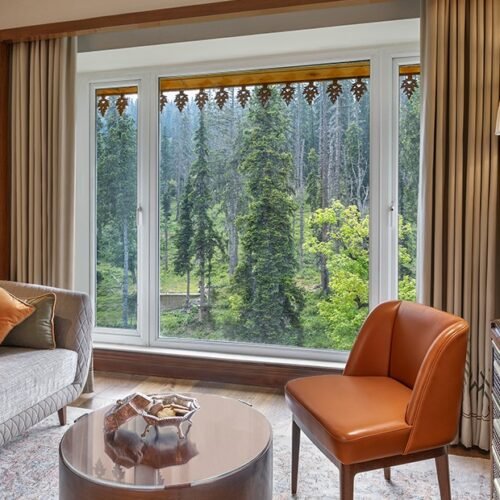
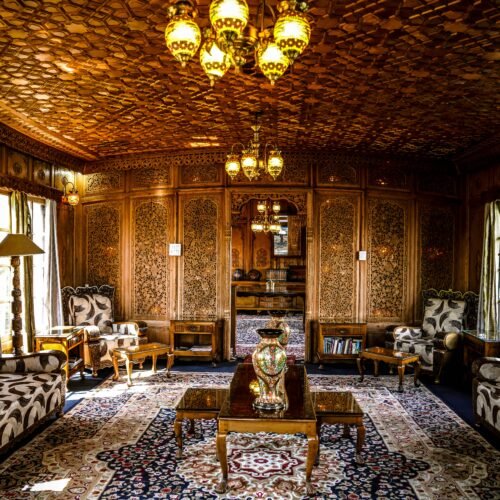
The best ones feel like staying in a floating heritage home — hand-carved walnut wood interiors, a private deck facing the lake, meals cooked on board, and the Zabarwan mountains as your morning view. Dal Lake at night with no city noise is a completely different experience from any hotel. It’s the one thing we’d tell every first-time visitor not to skip.
Curated by Kashmir and Beyond — local travel specialists based in Srinagar since 2011, registered with the Ministry of Tourism, Government of India.
Recognised by the Jammu & Kashmir Tourism Department.
Gulmarg Gondola
The Gulmarg Gondola is not just a ride — it’s an ascent into the heart of the Himalayas. Nestled in the pristine valley of Gulmarg, Kashmir’s world-famous ski and adventure destination, this cable car is one of the highest and most scenic gondolas in the world, carrying travelers to an altitude of nearly 14,000 feet.
The journey unfolds in two stages — from Gulmarg to Kongdoori, and then onward to Apharwat Peak, where panoramic views of snow-clad mountains, pine forests, and endless sky leave every visitor spellbound. In winter, the slopes below transform into a paradise for skiers and snowboarders, while in summer, vibrant meadows bloom beneath the cableway, painting a landscape straight out of a dream.
Whether you’re an adventure lover chasing powder snow, a photographer seeking Himalayan vistas, or a traveler longing for silence above the clouds, the Gulmarg Gondola promises an unforgettable experience.
With Kashmir & Beyond, your journey aboard the Gondola becomes more than a ride — it’s a flight into the soul of the mountains.
Shikara Ride
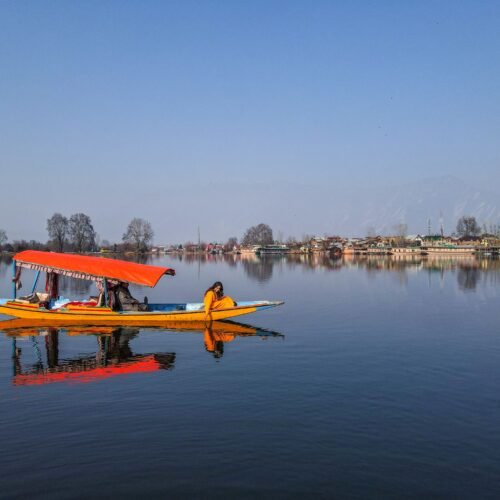
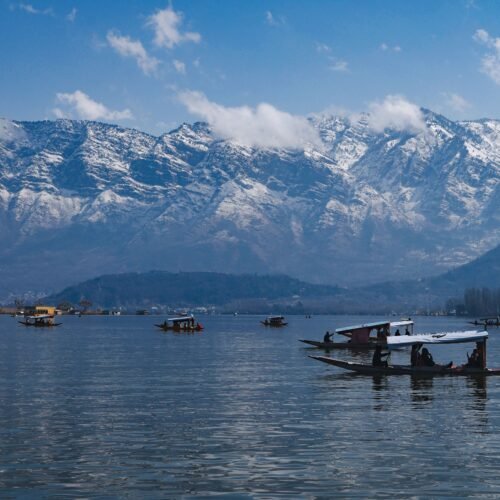
Gliding across the tranquil waters of Dal Lake & Nigeen Lake in a beautifully carved Shikara is an experience unlike any other — serene, poetic, and deeply tied to the soul of Kashmir. As the sun rises over the Zabarwan range, the reflection of snow-capped peaks dances on the shimmering surface of the lake, and the air carries the scent of blooming lotuses.
A Shikara Ride is not just a journey — it’s a moment suspended in time. Watch floating gardens drift by, listen to the gentle rhythm of the paddle, and witness the colors of Kashmiri life unfold around you — from floating markets and houseboats to distant mountains mirrored in the glassy waters.
Whether enjoyed in the quiet glow of dawn or the golden hues of sunset, every Shikara Ride feels like a passage into peace itself. It’s an intimate escape for couples, photographers, and dreamers who want to feel the heartbeat of Srinagar.
With Kashmir & Beyond, you don’t just ride the waters — you experience the timeless elegance and romance that have made Dal Lake the crown jewel of Kashmir.