Sonamarg
The first thing you notice about Sonamarg is the scale. The mountains don’t sit quietly on the horizon—they rise straight out of the valley floor, their snow-covered faces catching the first light long before the meadow below wakes up. The Sindh River rushes past in impossible shades of turquoise, glaciers seem close enough to touch, and the air feels different somehow—cooler, cleaner, thinner. You haven’t travelled all that far from Srinagar, but it feels like you’ve entered another world entirely. That’s Sonamarg.
Known as the “Meadow of Gold,” Sonamarg sits at 2,740 metres above sea level, around 80 kilometres northeast of Srinagar. It’s the final mountain valley before the road climbs over the legendary Zoji La Pass toward Ladakh, and that geography gives Sonamarg a character unlike anywhere else in Kashmir. Here, the Himalayas stop being a backdrop and become the entire experience.
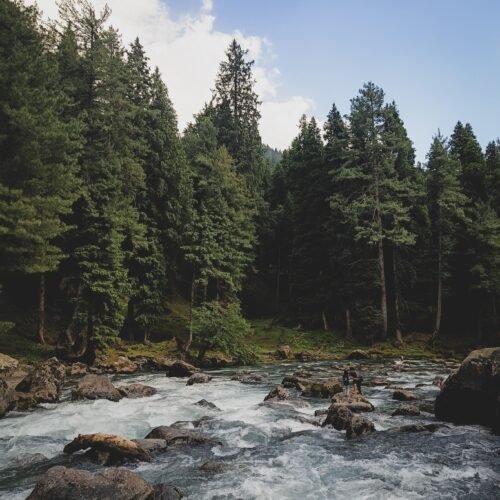
The drive itself is part of why people fall in love with Sonamarg. Leaving Srinagar behind, the road follows the Sindh River through villages, orchards, pine forests, and narrow mountain gorges before the valley suddenly opens into wide alpine meadows surrounded by towering peaks. Every few kilometres you’ll find yourself asking the driver to stop for another photograph. By the end of the journey, you’ll probably have stopped more times than you planned.
Most visitors begin with Thajiwas Glacier, just a few kilometres beyond the main meadow. Reached by pony or on foot during the warmer months, it’s one of the rare places in Kashmir where you can stand surprisingly close to a glacier without undertaking a serious trek. Snow often lingers here well into summer, while icy streams tumble beneath sheets of ancient ice before joining the Sindh River below. Arrive early and you’ll often hear nothing but rushing water, distant waterfalls, and the occasional call of a mountain bird carried across the valley.
Stand still for a moment and Sonamarg plays a strange trick on your eyes. A glacier that looks only minutes away might still take an hour to reach. A waterfall you can hear clearly may be cascading hundreds of metres above you. The mountains distort your sense of distance, constantly reminding you just how immense the Himalayas really are.
Beyond Thajiwas lies the Sonamarg that few day visitors ever discover. This valley is the starting point for some of Kashmir’s most spectacular high-altitude treks, including the famous Vishansar, Krishansar, Gadsar, Gangbal, and Nichnai lakes. These glacial lakes, scattered among alpine meadows and rugged mountain passes, reward trekkers with landscapes that remain remarkably untouched. Even if hiking isn’t part of your itinerary, simply knowing these mountains continue far beyond the visible horizon gives Sonamarg an extraordinary sense of possibility.
Summer transforms the meadows into a landscape of wildflowers and grazing horses, while Gujjar and Bakarwal families move through the high pastures with their livestock, continuing traditions that have shaped these mountains for generations. Small roadside cafés serve steaming Kahwa, simple Kashmiri meals, and fresh trout from the river—food that somehow tastes even better after breathing mountain air all day.
Sonamarg changes dramatically with the seasons. In late spring, melting snow feeds countless waterfalls that pour down every mountainside. Summer brings lush green meadows and clear trekking trails. Autumn offers crisp mountain air, brilliant blue skies, and fewer visitors. Winter turns the valley into a snow-covered wilderness, with heavy snowfall often closing the road beyond Sonamarg and leaving the landscape wrapped in remarkable silence.
Although many itineraries treat Sonamarg as a day trip from Srinagar, we believe that’s when people miss its finest hours. Most vehicles leave by late afternoon. The crowds disappear. The meadow grows quiet. Golden light settles across the mountains, temperatures begin to fall, and the valley feels entirely different. Spend one night here and you’ll wake to empty roads, crystal-clear air, and mountains glowing beneath the morning sun long before the first visitors arrive.
Our team visits Sonamarg throughout the year and understands how quickly mountain conditions can change. We’ll tell you when the glacier trails are at their best, when the wildflowers begin to bloom, whether an overnight stay suits your itinerary, and how to experience Sonamarg beyond the viewpoints every tourist bus stops at. These mountains decide the pace—you simply need someone who knows how to help you experience them properly.
Frequently Asked Questions About Sonamarg
When is the best time to visit Sonamarg?
The best time to visit Sonamarg is from May to October, when roads are fully open, alpine meadows are green, and Thajiwas Glacier is easily accessible. June and July bring wildflowers and flowing waterfalls, while September offers crystal-clear skies, pleasant temperatures, and fewer crowds. During winter, heavy snowfall creates spectacular scenery, although road access beyond Sonamarg is often restricted.
Is Sonamarg worth visiting?
Absolutely. Sonamarg offers some of the most dramatic Himalayan scenery in Kashmir. If you’re looking for glaciers, towering mountains, alpine meadows, scenic drives, and a true high-mountain experience, Sonamarg deserves a place on every Kashmir itinerary.
Can I visit Sonamarg as a day trip from Srinagar?
Yes. Sonamarg is around 80 kilometres from Srinagar, with a journey time of approximately two and a half to three hours by road. Many travellers visit as a day trip, although an overnight stay allows you to enjoy the valley after the crowds leave and experience its peaceful mornings.
Do I need to trek to enjoy Sonamarg?
Not at all. Most visitors enjoy Sonamarg through scenic walks, pony rides to Thajiwas Glacier, riverside viewpoints, photography, and simply spending time in the meadow. Trekking is available for adventure enthusiasts but isn’t necessary to experience the valley’s beauty.
What should I wear in Sonamarg?
Even during summer, mornings and evenings are cool because of the elevation. Comfortable walking shoes, layered clothing, sunglasses, sunscreen, and a light jacket are recommended throughout the season. If you’re visiting in spring or autumn, warmer clothing is advisable.
How many days should I spend in Sonamarg?
One full day is enough to explore the main attractions, including Thajiwas Glacier and the surrounding meadow. However, spending one night allows you to experience Sonamarg at its quietest and most beautiful, while trekkers heading towards the alpine lakes should allow several additional days.
Is Sonamarg suitable for families?
Yes. Sonamarg is an excellent destination for families, couples, photographers, and nature lovers. Pony rides, easy riverside walks, open meadows, and spectacular mountain scenery make it enjoyable for visitors of all ages.
Gulmarg Gondola
The Gulmarg Gondola is not just a ride — it’s an ascent into the heart of the Himalayas. Nestled in the pristine valley of Gulmarg, Kashmir’s world-famous ski and adventure destination, this cable car is one of the highest and most scenic gondolas in the world, carrying travelers to an altitude of nearly 14,000 feet.
The journey unfolds in two stages — from Gulmarg to Kongdoori, and then onward to Apharwat Peak, where panoramic views of snow-clad mountains, pine forests, and endless sky leave every visitor spellbound. In winter, the slopes below transform into a paradise for skiers and snowboarders, while in summer, vibrant meadows bloom beneath the cableway, painting a landscape straight out of a dream.
Whether you’re an adventure lover chasing powder snow, a photographer seeking Himalayan vistas, or a traveler longing for silence above the clouds, the Gulmarg Gondola promises an unforgettable experience.
With Kashmir & Beyond, your journey aboard the Gondola becomes more than a ride — it’s a flight into the soul of the mountains.
Shikara Ride
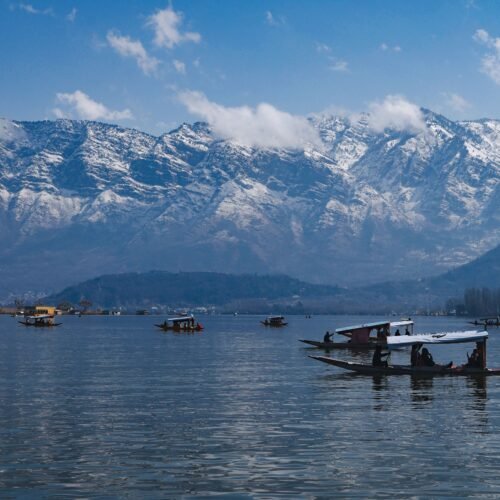
Gliding across the tranquil waters of Dal Lake & Nigeen Lake in a beautifully carved Shikara is an experience unlike any other — serene, poetic, and deeply tied to the soul of Kashmir. As the sun rises over the Zabarwan range, the reflection of snow-capped peaks dances on the shimmering surface of the lake, and the air carries the scent of blooming lotuses.
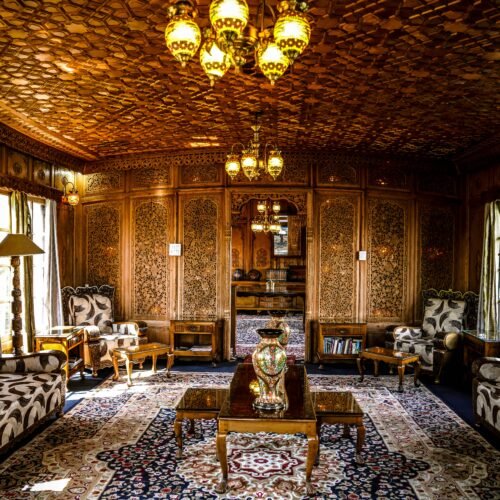
A Shikara Ride is not just a journey — it’s a moment suspended in time. Watch floating gardens drift by, listen to the gentle rhythm of the paddle, and witness the colors of Kashmiri life unfold around you — from floating markets and houseboats to distant mountains mirrored in the glassy waters.
Whether enjoyed in the quiet glow of dawn or the golden hues of sunset, every Shikara Ride feels like a passage into peace itself. It’s an intimate escape for couples, photographers, and dreamers who want to feel the heartbeat of Srinagar.
With Kashmir & Beyond, you don’t just ride the waters — you experience the timeless elegance and romance that have made Dal Lake the crown jewel of Kashmir.